Updated 3 Nov 2026
1934 → 2026
Music and Video Streaming
The Library in the Air
When everything can be played and nothing is kept, what happens to what we value, what we remember and whom we pay?
59 min read Mind & Tools Ethics Information
Philosophy of technology, one product at a time
Each tile is one product: why it came into existence, how it evolved, and the belief behind every decision that shaped it. Tiles keep growing as the products do.
1934 → 2026
The Library in the Air
When everything can be played and nothing is kept, what happens to what we value, what we remember and whom we pay?
1958 → 2026
A Factory for Other People’s Ideas
1956 → 2013
A Computer of One’s Own

1960s → 2026
Software You Never Own
1911 → 2025
The Company Inside the Machine
1950s–1960s → 2025
The Gift That Runs the World


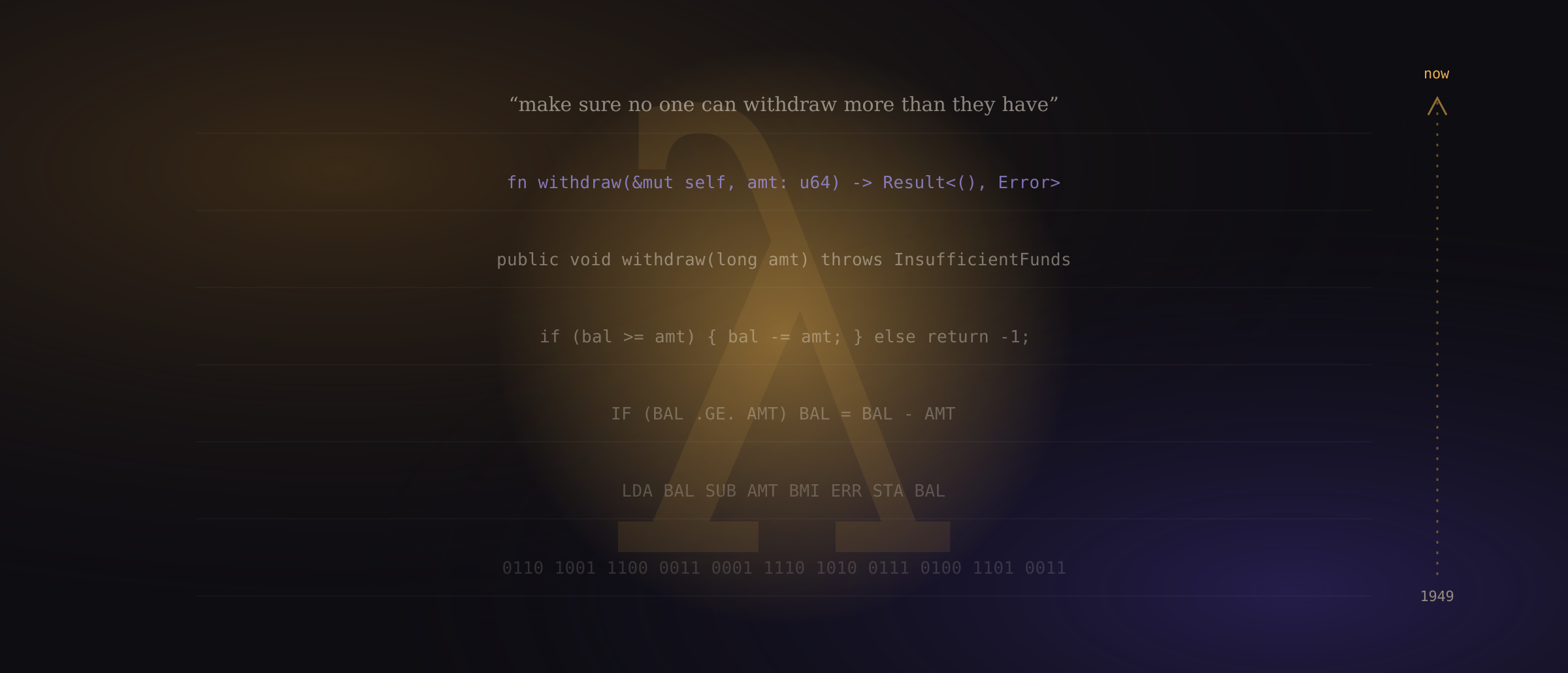
1951 → 2025
Every Programming Language Is a Theory of the Programmer

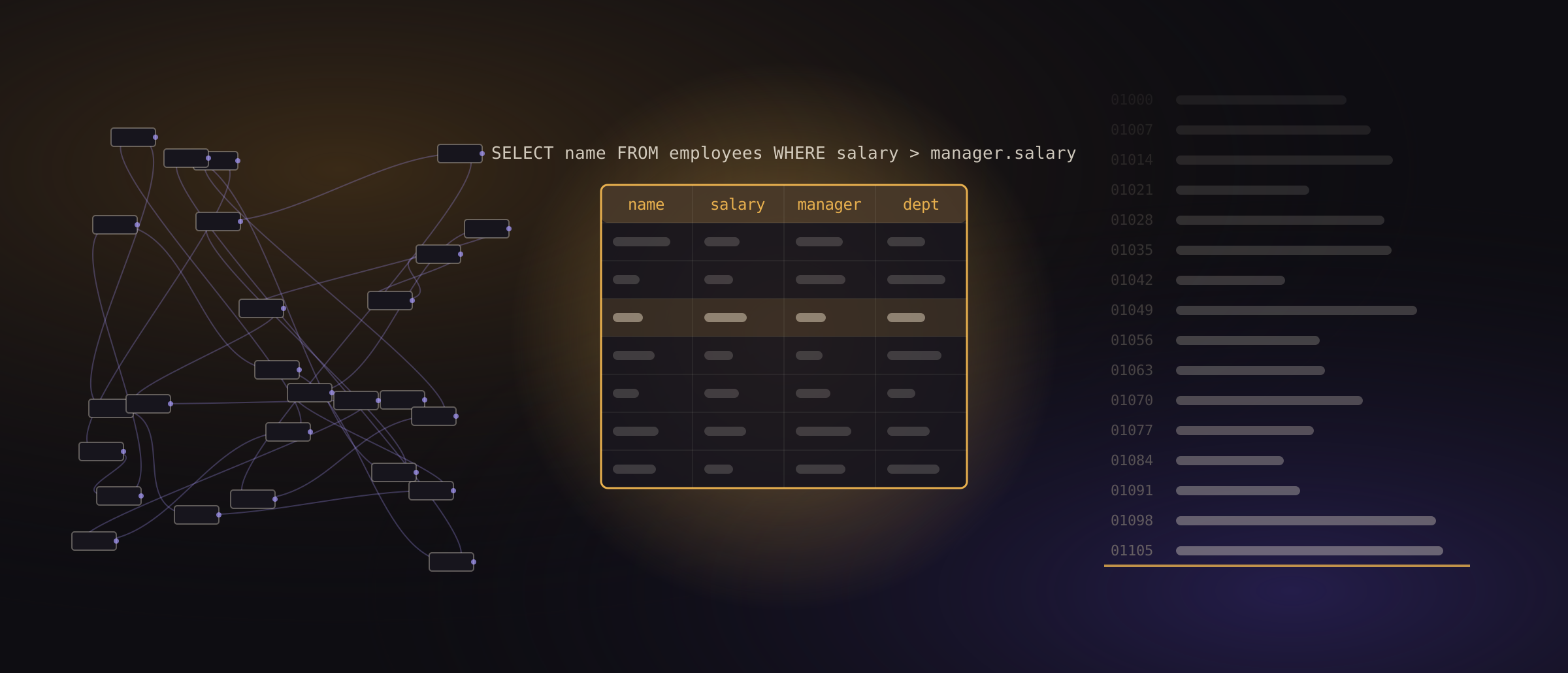
1844 → 2025
Who Pays for a Message?
1936 → 2024
The Universal Machine and the End of the Free Lunch


c. 370 BC → 2024
Notes That Talk Back: The Long Search for a Second Brain
No products under this tag yet.
For people who decide
The essays explain why things exist. These sections turn that history into judgement: the losers as well as the winners, the ideas behind the decisions, and places to practise deciding without hindsight.
The method
To know a thing, Aristotle said, you must know its four causes. Every tile returns to them, because together they explain not only how a product works but why it exists.
What is it made of?
The chips, protocols, code and constraints of its time. What was technically possible decides what was even thinkable.
What shape did it take?
The interface, the metaphor, the defaults. Form is where a philosophy becomes visible and starts to teach habits.
Who, or what, brought it about?
People, markets, accidents and rivals. The forces that pushed it into the world, and kept pushing it to change.
What is it for?
Its telos. The purpose it was built to serve, and the purpose it ended up serving, which is rarely the same.
Who is asking
I’m Shrikant Kumar, a technology enthusiast who is just trying to understand products a little better. Not to review them, but to ask why they are the way they are.
More about this project →